
How Often Should You Pressure Wash Your Home in DFW?
DFW homes face more than ordinary dust. Humidity, seasonal growth, pollen, shade, trees, storms, and traffic can leave siding, brick, and concrete looking dull before a calendar reminder appears. A practical plan starts with the condition of the surface, not a one-size-fits-all date.
Get a Free Quote for a surface-specific exterior cleaning schedule.
For most Southlake-area homes, how often should you pressure wash your home depends on exposure and buildup. Window Hero generally recommends professional house washing, or soft washing, once or twice a year. Shade, trees, pollen, storms, and visible staining can shorten that interval.
That baseline can shift for homes surrounded by mature trees, shaded areas, or heavy seasonal debris. The cleaning method matters, too, because siding, stucco, wood, brick, and concrete do not all respond to the same pressure. Use this complete pressure washing and soft washing guide as a starting point, then compare your home's surfaces and visible signs before setting a routine.
How Often Should You Pressure Wash Your Home in DFW?
For most Southlake-area homes, Window Hero recommends professional house washing once or twice a year. Adjust that baseline when your property gets heavy shade, tree cover, dust, pollen, storm debris, or visible staining. Inspect between visits when buildup returns quickly.
A yearly cleaning is a practical starting point for a well-maintained home. A twice-yearly schedule may make more sense when buildup returns quickly or when you want a consistent appearance through the changing DFW seasons. The right interval depends less on a rigid calendar than on the condition of your exterior.
For a broader explanation of cleaning methods and property care, see this complete pressure washing and soft washing guide.
| Property condition | Practical starting point | Why the interval may change |
|---|---|---|
| Generally clean, open exposure | Once yearly | One planned wash can support a consistently maintained appearance when buildup is limited. |
| Recurring dust, pollen, or light staining | Once or twice yearly | More frequent exposure can make exterior surfaces look dirty sooner, especially after seasonal changes. |
| Heavy shade or dense tree cover | Inspect between scheduled washes | Shaded areas can stay damp longer, while nearby trees can contribute organic debris and staining. |
| Visible dark streaks, green growth, or storm residue | Schedule an evaluation | Visible buildup is a condition-based reason to clean rather than wait for the next annual date. |
| Different exterior materials on one home | Use a surface-specific plan | Siding, brick, stucco, wood, and concrete may require different pressure levels and cleaning methods. |
Let the surface condition guide the timing
Walk around the home and look at shaded walls, lower siding, entry paths, patios, and areas beneath trees. Compare those sections with surfaces that receive more sun and less exposure. Uneven discoloration often shows where the property needs attention first.
Do not assume every surface should receive the same force. House washing commonly calls for a soft wash approach rather than aggressive pressure, particularly when the exterior includes more delicate materials or painted areas. A professional can inspect the surface and select an appropriate method instead of applying one setting everywhere.
Consistent maintenance also helps homeowners address small changes before they become harder to manage. If the exterior stays clean for a full year, an annual visit may be sufficient. If pollen, dust, shade, or staining returns within a season, plan for another inspection and consider a twice-yearly rhythm.
That approach works across Southlake, Colleyville, Flower Mound, and Westlake. The calendar provides a useful baseline, but the home itself should make the final schedule clear.
Why DFW Climate Changes Your Pressure Washing Schedule
DFW weather can make a clean exterior look overdue sooner than expected. Humidity, seasonal growth cycles, airborne pollen, and windblown dust all influence how quickly buildup returns. The right schedule depends on your home's setting, not just the calendar.
Southlake and nearby DFW homes often need consistent exterior maintenance because humidity, seasonal growth, pollen, and windblown dust encourage recurring buildup. Use a once- or twice-yearly house wash as a starting point, then adjust it after inspecting shaded walls, tree-lined elevations, and hardscapes for returning residue.
Humidity and seasonal growth
Moisture can leave exterior surfaces damp for longer, especially where sunlight is limited. That creates a more favorable environment for organic buildup on siding, brick, concrete, and other exposed materials. Warm weather can also keep growth cycles active beyond a single short season.
In Southlake, Colleyville, Flower Mound, and Westlake, heavily landscaped properties may face different maintenance needs than open, sunny lots. Dense trees and planting beds add shade and moisture near walls, walkways, and fences. A home with mature tree cover may need attention sooner than a similar home with clear sun exposure.
Pollen, dust, and traffic exposure
Pollen can settle on window trim, siding, porches, and outdoor living areas. Dust from daily traffic and nearby construction can add another layer of residue. These deposits may become more noticeable on light-colored surfaces, but every exterior should be evaluated by condition rather than appearance alone.
Homes near busy roads or active development may collect airborne debris faster. Properties beside open fields can also experience more windblown dust. If buildup returns shortly after cleaning, shorten the inspection interval instead of automatically increasing water pressure. The surface and the cleaning method still matter.
Storms and changing exposure
Storms can push leaves, soil, and organic debris against exterior walls and hardscapes. Strong wind may also distribute residue beneath eaves, around garage doors, and across shaded entrances. After repeated storms, walk around the property and check these sheltered areas before deciding whether the next full wash should move forward.
Watch for green or dark film, dull siding, stained concrete, slippery walkways, and debris collecting in shaded corners. These signs indicate that your home's conditions may call for earlier service. For broader guidance on selecting a method and planning maintenance, review this complete pressure washing and soft washing guide.
Which Home Surfaces Need Different Cleaning Intervals?
There is no single pressure-washing interval that fits every Southlake-area home. The right schedule depends on the material, its condition, surrounding shade and trees, and whether buildup is cosmetic or beginning to damage the surface.
As a practical starting point, Window Hero recommends professional house washing with soft washing once or twice a year. Siding, brick, stucco, wood, and concrete may need different attention between those visits because each surface responds differently to moisture, pressure, shade, and organic buildup. A surface-specific inspection helps set safer timing.
Siding
Vinyl and fiber-cement siding can collect dust, pollen, algae, and organic residue, especially on shaded elevations. Regular cleaning helps maintain the appearance of the siding and supports proactive exterior care. However, high pressure can force water behind panels, damage caulking, or strip finishes when the operator uses the wrong nozzle or distance.
Soft washing is often the better approach for house siding. The method uses cleaning solution and controlled rinsing rather than relying on extreme water pressure to remove every stain. A professional can adjust the treatment based on the siding's age, finish, visible growth, and condition.
Brick and stucco
Brick is durable, but mortar joints can be more vulnerable than the brick itself. Aggressive pressure may loosen deteriorated mortar or drive water into small gaps. Stucco also requires care because cracks, worn coatings, and porous areas can allow moisture to move behind the finish.
For both materials, inspect first rather than choosing a pressure setting by habit. A lower-pressure soft-wash process may clean organic buildup more safely, while damaged or heavily stained areas may require targeted treatment. Read Window Hero's soft wash technique for Southlake homes to see why method selection matters.
Wood and concrete
Wood siding, decks, and fences can show raised grain, splintering, or discoloration after excessive pressure. Cleaning should account for the wood's age, finish, and existing deterioration. A gentle process with an appropriate rinse can remove buildup without turning a maintenance visit into a repair project.
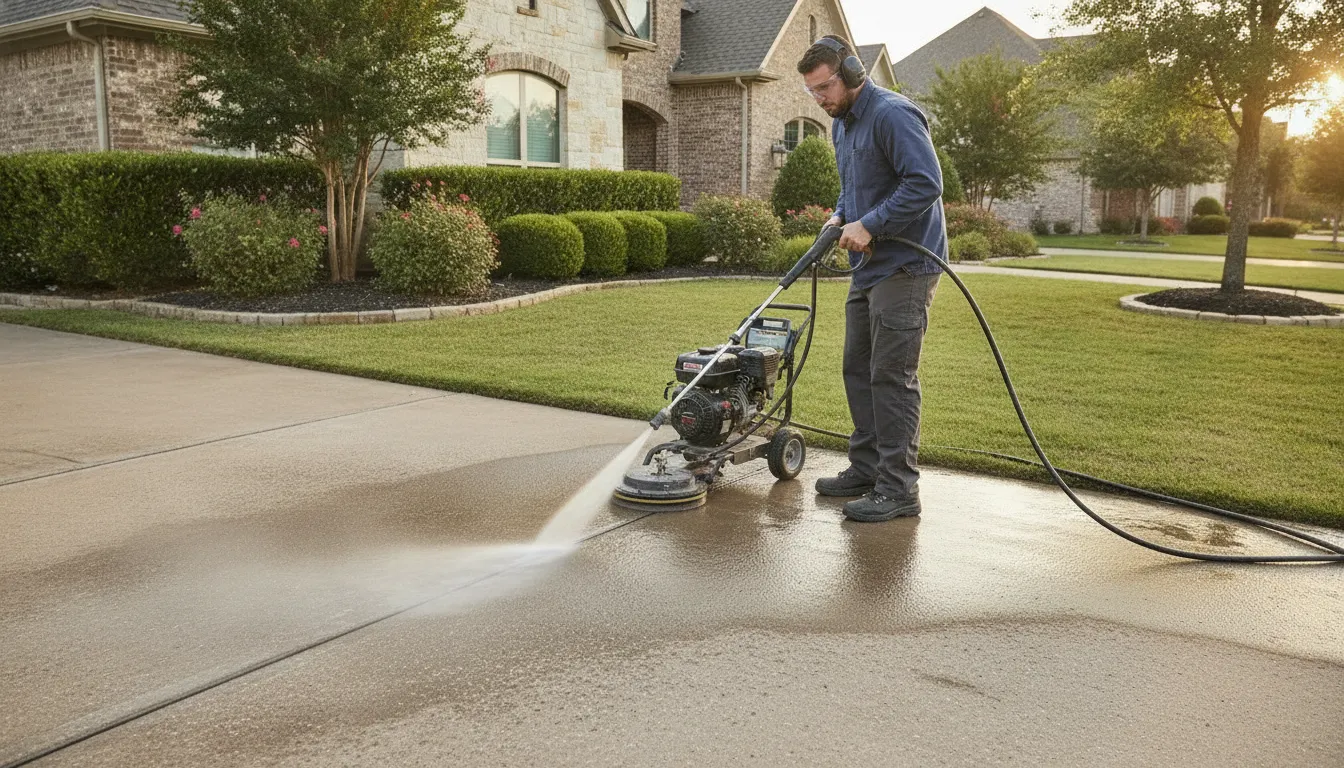
Concrete driveways, patios, and walkways generally tolerate more pressure than painted siding or stucco. Even so, cracks, settled joints, oil marks, and nearby landscaping affect the treatment. High pressure is not a universal solution. It can leave stripes, etch the surface, or spread contaminants when used without proper technique.
Window Hero states that its cleaning products are biodegradable, non-toxic, and safe for plants, pets, and the environment. Its professional soft-wash systems and specialized equipment are also designed to provide a more controlled result than standard consumer-grade tools. That combination matters when cleaning complex exteriors in Southlake, Colleyville, Flower Mound, or Westlake.

Rather than asking only, "How often should you pressure wash your home?" ask which surfaces need attention and which method protects them. A surface inspection can set a sensible interval and help preserve siding, masonry, wood, and concrete over time.
What Signs Mean Your Home Exterior Is Overdue?
A home exterior is usually overdue when visible buildup returns, surfaces feel slippery, or paint begins to deteriorate. Use these signs to decide whether routine cleaning or a safety-focused inspection comes first, and check shaded walls, walkways, trim, and lower siding before scheduling work.
- Look for dark streaks and broad discoloration. Gray or black streaks on siding, brick, stucco, or other exterior surfaces usually mean dirt and organic residue have accumulated. A shaded wall or a side facing trees may show buildup sooner than a more exposed elevation. This is generally a routine cleaning concern, but the correct method still depends on the material.
- Check for green growth. Green patches, algae-like staining, or moss around shaded areas indicate that moisture and limited sunlight are affecting the surface. Growth around trim, siding seams, steps, or masonry deserves attention before it spreads. Do not assume that more pressure is the answer. A surface-appropriate soft wash may clean the area with less risk of damage.
- Watch for a dull pollen film. A yellow or hazy coating on windowsills, siding, doors, and outdoor surfaces can make a recently cleaned home look dirty again. Pollen film is a practical signal to inspect the exterior, especially after seasonal changes in Southlake, Colleyville, Flower Mound, or Westlake.
- Notice embedded dirt that normal rinsing cannot remove. Ground-in soil along lower siding, garage doors, porches, and masonry often means the exterior needs a more thorough cleaning rather than another quick rinse. Before work begins, confirm the cleaning approach is suitable for the surface and nearby landscaping.
- Test walkways and concrete visually and carefully. Darkened concrete, slick steps, or slippery walkways can signal organic buildup. Treat these areas as a safety priority for residents and visitors. Keep people away from the surface until it has been assessed and cleaned appropriately.
Routine stains call for a maintenance decision. Peeling, chipping, chalking, or cracking paint calls for caution before pressure washing.
Inspect painted surfaces before cleaning. The EPA recommends inspecting and maintaining painted surfaces, then cleaning an affected area immediately if deterioration appears. For lead-safe work practices, the EPA explains that pressure washing is permitted under the RRP Rule when containment requirements are followed.
That guidance is different from ordinary dust control. The EPA also recommends damp cleaning with a wet cloth, sponge, or mop once a week to minimize dust that may contain lead. It is not a pressure-washing schedule. If paint is failing, pause routine exterior washing and obtain an appropriate assessment before disturbing the surface.
Get a Free Quote or call 817-928-9500 to discuss the signs you are seeing and the safest next step.
How Often Should You Pressure Wash Your Home Alongside Other Exterior Cleaning?
For most DFW homes, plan a professional house wash once or twice a year. Then schedule window cleaning every three to six months and gutter cleaning in spring and fall. This baseline keeps routine maintenance predictable while leaving room to adjust for shade, mature trees, storms, pollen, and visible buildup.
A calendar is more effective than waiting until every surface looks neglected. Consistent service can help extend the useful lifespan of siding and roofing materials, according to Window Hero guidance. It also lets you coordinate related work, reducing the chance that a freshly cleaned surface is quickly marked by runoff or debris from another overdue task.
A practical year-round starting point
| Timing | Recommended service | Scheduling purpose |
|---|---|---|
| Spring | House wash and gutter cleaning | Clear seasonal buildup and debris before the warmer months. |
| Early summer | Window cleaning | Remove pollen and dust while improving natural light. |
| Fall | Gutter cleaning and condition check | Prepare drainage paths for leaves and seasonal storms. |
| Late fall or winter | Window cleaning, if needed | Maintain the three- to six-month window interval. |
This is a starting framework, not a rigid rule. Homes near busy roads may collect dust faster. Properties beneath dense tree cover may need earlier gutter service. Shaded walls can stay damp longer, while high humidity and seasonal growth cycles across Southlake and the wider DFW area can encourage recurring buildup.
Southlake homeowners can use the same approach in Colleyville, Flower Mound, and Westlake: establish a baseline. Inspect the property each season, and move the next service forward when conditions call for it. If your home has different materials or complicated elevations, a professional inspection can help determine whether soft washing or another surface-safe method is appropriate.
For broader planning, see this guide to year-round home exterior maintenance. Keep its cost discussion separate from this schedule, which is focused on timing and coordination.
Pairing the house wash with professional window cleaning can make the maintenance plan easier to manage. If the exterior is already showing dark streaks, green growth, clogged gutters, or heavy pollen, do not wait for the next calendar date.
Get a Free Quote for a DFW exterior cleaning schedule tailored to your home.
Frequently Asked Questions
How often should you pressure wash your home?
For most DFW homes, Window Hero recommends a professional house wash once or twice a year. Adjust that starting point for humidity, seasonal growth, shade, trees, storms, traffic, and visible buildup.
Which month is the best to pressure wash a house?
Spring is a practical time to remove winter residue and seasonal buildup. A fall cleaning can also prepare the exterior for winter. The best timing depends on your home's condition and local weather.
When should you not power wash your house?
Do not use high pressure on surfaces that could be damaged by force, and do not treat every exterior material the same way. A soft wash is often the safer approach for siding and other delicate surfaces. Painted areas with peeling, chipping, chalking, or cracking should be inspected and cleaned carefully, following EPA guidance: EPA recommends immediate cleaning when these conditions appear.
How often should you pressure wash your driveway?
Inspect the driveway as part of your annual exterior maintenance plan rather than relying on a fixed interval. Schedule cleaning when dirt, algae, oil marks, or other buildup becomes noticeable, with timing adjusted for shade, trees, and storm exposure.
How long does a house stay clean after pressure washing?
Clean appearance varies with weather, humidity, seasonal growth, shade, and nearby trees or traffic. A consistent maintenance plan helps prevent heavy buildup and supports the long-term care of siding and roofing materials.
Get Started With a Home Washing Plan
A site-specific review can help you choose a cleaning interval that fits your home's surfaces, shade, trees, and DFW exposure. Get a Free Quote from Window Hero Southlake to discuss the right next step for your property. The team can help you plan pressure washing alongside other exterior maintenance needs, so your schedule stays practical and easy to follow.