
How often should you clean your roof? For North Texas homes, there is no single calendar interval that fits every roof. Roof material, tree cover, drainage, shade, and visible organic growth all affect when cleaning may be useful. A careful look at the roof can help you decide whether it needs cleaning, inspection, or repair.
How Often Should You Clean Your Roof in North Texas?
Window Hero Southlake recommends judging roof cleaning by visible conditions, not an automatic annual wash. Dark streaks, moss-like growth, debris, and shaded areas can indicate that it is time to ask a professional for an assessment.
Some homeowners may go for years without seeing much growth, while others notice staining sooner. Nearby trees can drop leaves and seed debris onto the roof. Shaded or damp areas may remain wet longer, creating conditions where organic growth can appear. Roof material and age also matter.
Instead of choosing a fixed washing interval, keep a simple record of what you can see. Note the date, which roof slope shows a change, and whether debris or shade is present. Repeat the same ground-level observations later. A photo from the same safe location can make gradual changes easier to notice.
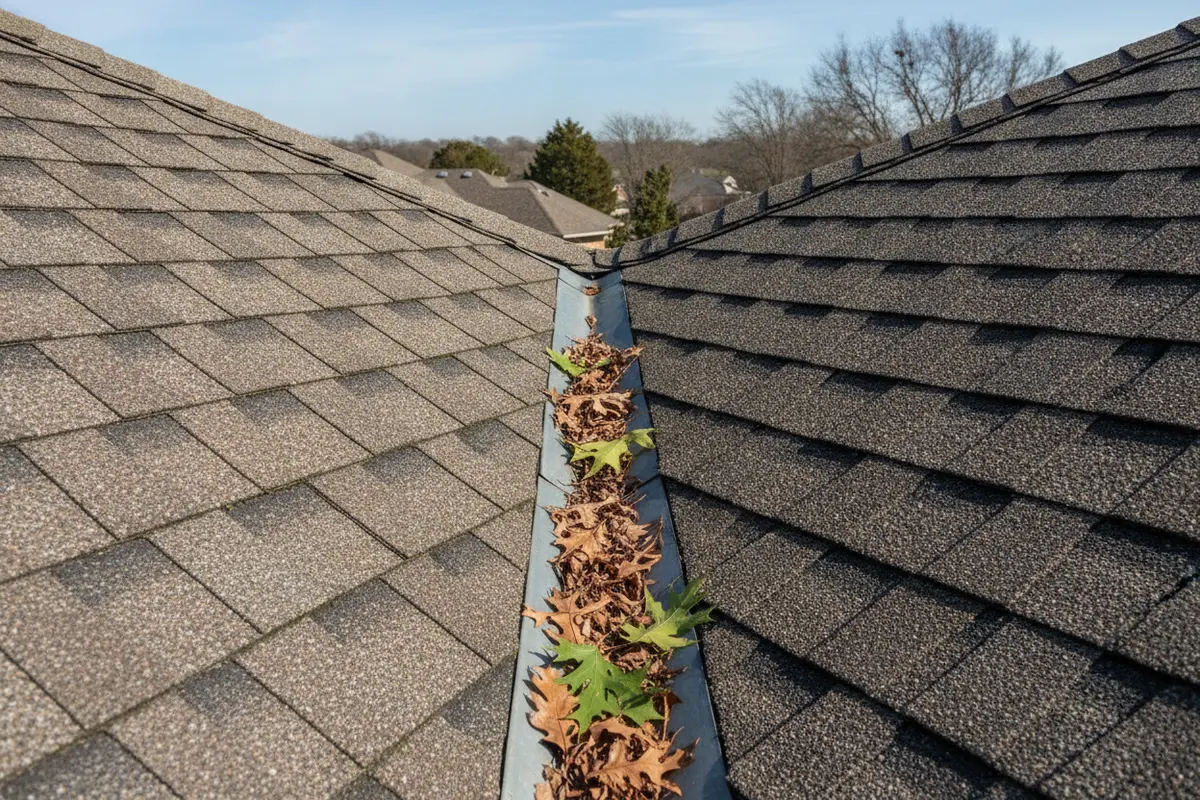
For example, if one shaded section develops new streaks while the sunny slopes remain clear, ask about that specific area rather than requesting an automatic whole-roof wash. If leaves repeatedly collect near a valley, discuss whether debris removal or drainage maintenance is also needed. A recurring issue may have more than one cause.
These observations do not set a guaranteed cleaning schedule. They give a professional useful context and help you avoid washing a roof that does not need it. They can also flag a change that deserves a roofing assessment instead of cleaning.
Use a seasonal ground-level check as a prompt, not a reason to climb onto the roof. Look for new streaks, visible growth, leaf piles, blocked-looking valleys, or changes around the roofline. If you are unsure what you are seeing, a professional can help distinguish surface staining from a possible roofing concern.
For roof maintenance, cleaning and inspection are related but different tasks. The City of Seattle's roofing guide recommends annual roof inspections for signs of deterioration or damage. That guidance supports checking roof condition regularly; it does not mean every roof needs an annual wash.
The difference is useful when planning a household maintenance calendar. An inspection looks for condition changes such as damaged materials or deterioration. Cleaning addresses suitable surface buildup. Those tasks can sometimes be discussed together, but one should not be mistaken for the other.
A practical approach is to check visually during a few predictable moments, such as after seasonal leaf fall and after notable storms. You do not need to inspect every week or document every small mark. The goal is to recognize a meaningful change from the roof's usual appearance and respond appropriately.
What Changes How Frequently a Roof May Need Attention?
For Window Hero Southlake customers, the right timing depends on what is happening on the individual roof, including shade, nearby trees, drainage, and the kind of visible growth.
Several conditions can influence how quickly dirt and growth become noticeable. These factors can help you decide when to take a closer look:
- Tree coverage: Overhanging branches can leave leaves and other debris on the roof. Trees may also shade roof sections, so those areas may dry more slowly.
- Roof orientation and shade: Areas that receive less direct sun can stay damp longer. Check shaded slopes and sections near nearby structures.
- Drainage: Debris can collect in valleys and near gutters. If drainage appears blocked, address it promptly rather than waiting for a routine roof cleaning.
- Visible streaks or growth: Dark streaks, green patches, or moss-like material deserve attention. Do not assume every discoloration is the same substance or can be solved by washing.
- Roof material and condition: Different roofing materials have different care needs. A roof with loose, damaged, or aging materials should be assessed before any cleaning method is considered.
- Recent weather and debris: After strong winds or storms, look from the ground for newly fallen branches or obvious changes. Do not climb up to investigate.
Think of these as factors that change how often to look, rather than a formula that predicts a cleaning date. A home beneath mature trees may need more frequent visual checks than an open, sunny property. That does not automatically mean it needs more frequent washing.
Compare the roof in sections rather than treating it as one uniform surface. A north-facing slope, a section beneath branches, and an open sunny slope may look different at the same time. Record the location of a concern. This helps keep the conversation focused and avoids assuming that every surface needs the same response.
Rainfall and seasonal debris can change what you see, but a recent storm does not by itself call for a wash. Look for a specific result, such as branches resting on the roof or a new pile of leaves. If a storm may have damaged roofing material, contact a roofing professional instead of trying to remove debris yourself.
If gutters are part of the problem, a roof wash alone will not clear them. Learn about how rain gutters work and the signs discussed in Window Hero's article on clogged gutters. You can also review local gutter cleaning options when debris appears to be affecting water flow.
Which Roof Conditions Call for Cleaning, Inspection, or Repair?
Window Hero Southlake can help homeowners discuss roof cleaning, but staining is not a substitute for a roofing inspection when shingles or other materials appear damaged.
Before arranging service, note what you can see from a safe place on the ground. The distinction matters because cleaning addresses surface buildup, while a roofing professional should evaluate damage or a leak.
| What you notice | Reasonable next step | What not to assume |
|---|---|---|
| Light debris or leaves in visible areas | Arrange safe removal or ask about appropriate exterior maintenance. | Do not assume debris is the only roof concern. |
| Dark streaks or surface discoloration | Ask whether a roof cleaning assessment is appropriate for the material and condition. | Do not assume every stain is algae or that washing will remove it. |
| Green growth or moss-like patches | Have the area assessed and ask about a suitable, gentle cleaning approach. | Do not scrape or pressure wash roof materials yourself. |
| Missing, loose, or visibly damaged roofing material | Contact a qualified roofing professional to evaluate the condition. | Do not treat cleaning as a repair. |
| Interior water marks or an active leak | Seek prompt roofing help and protect belongings inside. | Do not wait for a cleaning appointment to address a leak. |
This comparison is a starting point, not a diagnosis. A roof can have both surface growth and a separate maintenance issue. If you suspect damage, have it evaluated before cleaning is scheduled.
When you request an assessment, describe the visible issue as specifically as you can. Mention which side of the house shows staining, when you first noticed it, whether it seems to be spreading, and whether you have seen debris or interior water marks. You do not need to identify the cause yourself.
It can also help to note what has changed since the last time you looked. For example, a few leaves in the same valley every autumn may be a recurring debris pattern. A new patch of growth near a damaged-looking shingle is different and merits a separate roofing conversation.
Ask what areas a proposed cleaning includes and how the method suits your roof material and condition. Ask whether any visible concern should be reviewed by a roofing professional before work begins. It is also reasonable to confirm what preparation is needed around the home and whether the estimate separates roof work from gutter or siding services.
Clear questions make it easier to compare proposals. A quote should help you understand the scope, the surface being treated, and any condition that may change the plan. If the roof appears damaged, address that concern first instead of treating a cleaning proposal as a repair recommendation.
Before agreeing to a service, confirm whether the scope covers the whole roof or selected sections. Ask how the crew will handle the areas you mentioned and what happens if the assessment reveals a concern outside the cleaning scope. These details reduce surprises and keep a maintenance request from being confused with repair work.
Also ask whether nearby landscaping or exterior features need any preparation. A homeowner may want to move patio items or keep access paths clear, depending on the proposed work. The provider should explain any relevant preparation for the specific job rather than leaving you to guess.
Why Avoid Pressure Washing a Roof?
High-pressure spray can be unsuitable for roofing materials, so homeowners should not assume that a pressure washer is a safe way to remove roof staining.
Roof cleaning needs to account for the roofing material, its condition, and the source of the visible growth. Scrubbing, scraping, or directing a strong spray at shingles can create avoidable risk. A professional assessment can help determine whether soft washing or another method is appropriate for the roof.
It is tempting to compare roof washing with rinsing a driveway or patio, but roofs are not interchangeable with hard ground surfaces. Shingles and other roofing materials form part of a layered system. A method suitable for concrete may be wrong for a roof, even when both surfaces appear dirty.
Do not treat a low-pressure label or a cleaning product name as a guarantee that a method is right for every material. The surface condition, roof design, and visible issue still matter. Ask the provider to explain the proposed approach in plain language and what roof conditions would change that plan.
Window Hero Southlake offers roof cleaning in Southlake. Ask what cleaning approach is proposed and whether the roof's condition or material raises concerns. If you are also considering other exterior work, compare roof cleaning with the separate services for house washing and pressure washing. They address different surfaces and should not be treated as interchangeable.
How Can You Check Your Roof Without Climbing on It?
Window Hero Southlake encourages homeowners to observe roof changes from the ground and leave roof access and condition checks to qualified professionals.
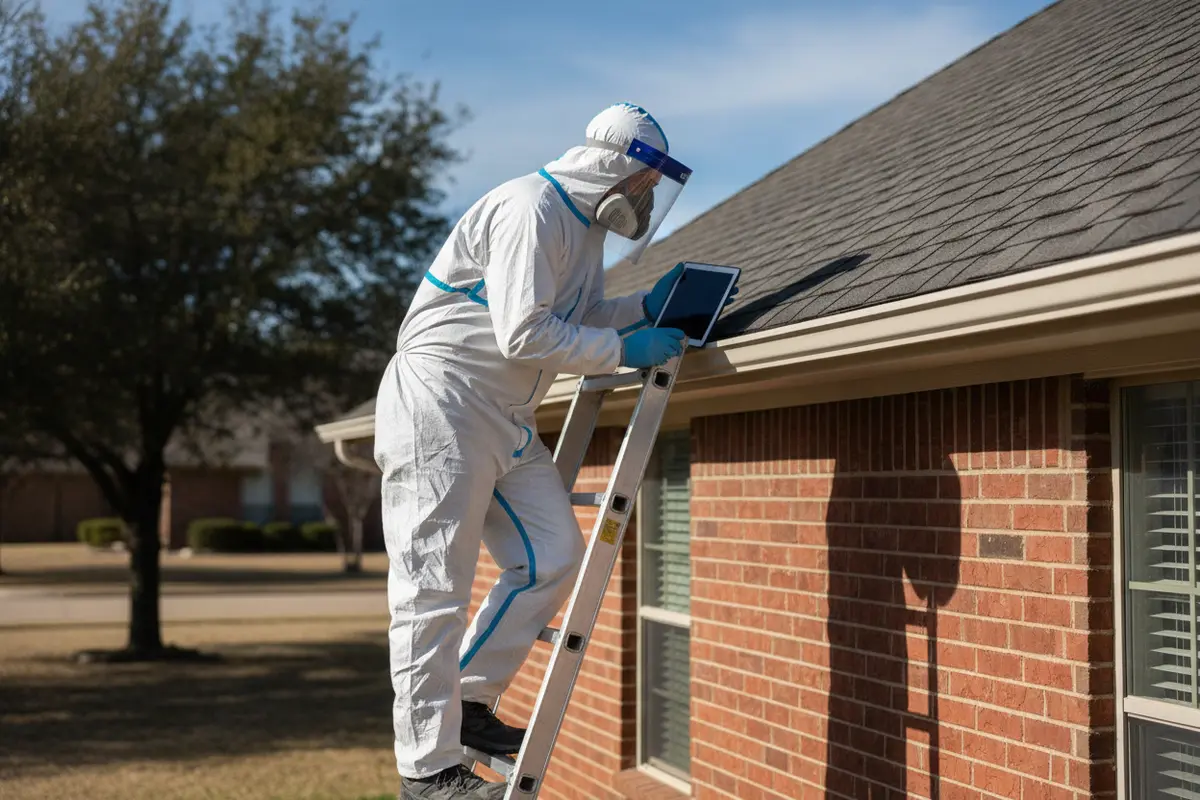
- Choose a safe viewing point. Look from the yard or another stable place. Use binoculars only if you can do so safely, and never lean from a window or climb a ladder for a closer view.
- Scan each visible slope. Notice dark streaks, green patches, leaves, branches, or uneven areas. Take a photo from the ground if it helps you compare the same view later.
- Check the roofline and gutters. Look for visible debris or signs that water may not be draining as expected. Do not reach into gutters or onto the roof from an unstable position.
- Separate appearance from damage. Staining may point to a cleaning question. Missing material, a sagging area, or water inside calls for a roofing assessment.
- Ask targeted questions. Share the roof material if you know it, the location of the visible issue, and whether you have seen changes or leaks.
Make the observation routine brief and consistent. Start at the same safe spot when possible, then compare the same visible slopes. Note only details you can clearly see, such as a new streak or leaves collecting near an edge. Avoid making a diagnosis from a distant view.
If you photograph the roof, keep the date and viewing point with the image. A pair of photos taken months apart can show whether a mark is new or simply more noticeable in different lighting. Photos also help you point out a location when you request an assessment, but they cannot confirm whether materials are sound.
Regular roof checks can help you notice a change, but they do not replace a professional inspection. The purpose of rain gutters is to direct water away from the home, which is one reason to consider the roof and drainage together. Use that resource to understand how drainage relates to exterior upkeep.
How Does Roof Cleaning Fit With Other Exterior Maintenance?
A roof cleaning visit is one part of exterior care; Window Hero Southlake homeowners can consider other services separately when those surfaces need attention.
Dark roof streaks do not automatically mean the siding, windows, driveway, or gutters need service at the same time. Evaluate each surface on its own. For example, visible dirt on siding may make house washing relevant, while cloudy exterior glass may call for window cleaning.
Homeowners in Southlake, Colleyville, Flower Mound, Westlake, and Grapevine can consider local exterior maintenance based on the condition of their property. The Window Hero Southlake location page is a place to review local service information. For a broader overview of options, see the company's exterior cleaning and maintenance services.
A combined visit may be convenient when several surfaces need attention, but do not add services just because a roof is being cleaned. Ask which areas will be addressed, what work is included, and whether any surface needs a different method.
One useful planning method is to keep separate notes for each exterior surface. Record a roof concern in one line, gutter debris in another, and window or siding buildup separately. This makes it easier to request only the work that fits what you have observed.
If more than one issue is present, ask whether the work can be coordinated without assuming every task belongs in one visit. A roof cleaning assessment may identify questions for a roofer, while a gutter concern may call for a separate service. Clear scopes let you make decisions in order of need.
Seasonal upkeep is easier when it follows the property rather than a generic checklist. A home with limited tree cover may have different needs from a shaded home with recurring debris. Review each surface when its condition suggests attention, then revisit the plan after the work is complete.
Get a Free Quote for Roof Cleaning
Frequently Asked Questions
Can I use a pressure washer on roof shingles?
Do not assume pressure washing is appropriate for shingles. Strong spray or scraping may harm roofing materials. Ask a professional to assess the roof and explain a suitable method.
Does every dark roof streak mean I need cleaning?
No. A streak is a visible change, not a diagnosis. Its cause and the roof's condition determine whether cleaning, inspection, or another response makes sense.
Should I clean the roof every year?
Not automatically. Regularly inspect roof condition, but schedule cleaning based on visible buildup and an assessment of the roof. Annual inspection guidance does not mean annual washing is required.
What if I see a leak or missing shingles?
Contact a qualified roofing professional promptly. Cleaning does not repair damage, and a leak should not wait for a cleaning appointment.
Choose Timing Based on the Roof's Condition
There is no universal number of months between roof cleanings for North Texas homes. Check for visible buildup and debris from the ground, consider shade and drainage, and get a professional opinion before choosing a cleaning method. When the roof appears damaged or water is entering the home, contact a roofing professional rather than treating the issue as routine cleaning.